Dr. Stubbs' Story Megan Salley Dr. Stubbs' Story Megan Salley

Looking for answers

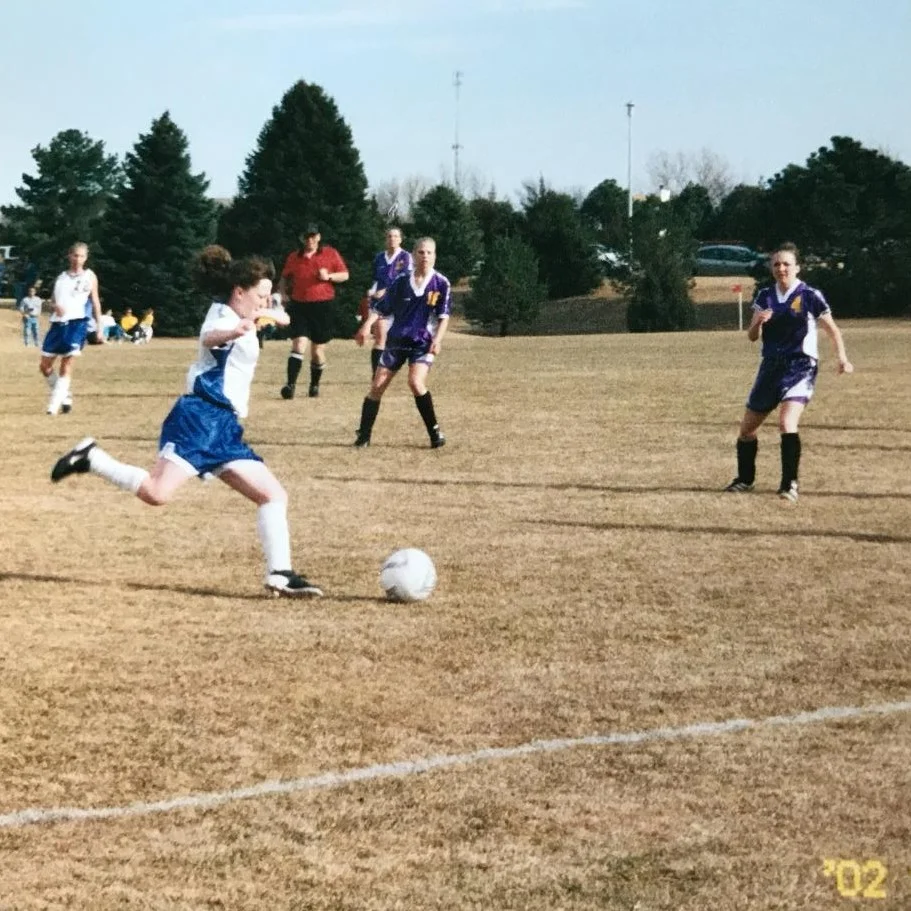
At 16, I had an X-ray taken of my foot because I continued to have pain during exercise. At that point, I had already torn the ACL in my right knee playing soccer. My pediatric orthopedic specialist told me that if I didn't slow down from playing sports, I'd be in a wheelchair by age forty.

Last week, I talked about being released to lead a “normal” life at age 12. Although my hands and foot had been corrected from a medical standpoint, I was still having complaints. Here are just a few examples of what I had to deal with (it goes without saying, this was before I discovered chiropractic care!):

I had a sharp pain in my right foot every time I ran, and the range of motion in my foot was severely compromised.

The muscles in my lower leg were suffering from atrophy even though I was playing 3 sports.

My shoulder blades were uneven, and I felt tingling down my left arm daily. I also couldn't turn my head as far on the left compared to the right.

I was getting no answers from medical doctors for these problems. I was told that I'd "probably grow out of it." One of my orthopedic surgeons recommended that I take Ibuprofen for my daily foot pain at 14 YEARS OLD. That seemed like a bad idea for my internal organs over a lifetime, so I decided to quit taking them after a couple weeks.

At 16, I had an X-ray taken of my foot because I continued to have pain during exercise. At that point, I had already torn the ACL in my right knee playing soccer. My pediatric orthopedic specialist told me that if I didn't slow down from playing sports, I'd be in a wheelchair by age forty.

When I decided to stop playing soccer, the assistant soccer coach said I stopped pushing myself. I don't blame him for saying that. During the season, I kept the severity of my problem under wraps so that I could keep playing. I didn't want anyone thinking I needed special treatment because I'm limb-different.

While I’ll talk more later what happened when I discovered chiropractic, my experiences after being “cleared” were what led me seek a different type of healing and what – ultimately – led me to become a chiropractor.

9550.jpeg
Read More
Megan Salley Megan Salley

Anything but normal

After enduring over a dozen surgeries, I was cleared to live a "normal" life at age 12. Physically, I found a way to function independently, but my adolescence was anything but normal.
Middle school isn’t easy for anyone, but for limb different kids, the challenges can be more pronounced. While it isn’t fun, I want to pull back the curtain a bit and talk about some of what I faced in middle school – from students, teachers AND administrators – to help shed some light on how sustained bullying can impact confidence.  

After enduring over a dozen surgeries, I was cleared to live a "normal" life at age 12. Physically, I found a way to function independently, but my adolescence was anything but normal.

I was singled out and bullied throughout middle school for my appearance, my name, my gait, etc. One girl would spit water down my back before every P.E. class. She'd stand next to the water fountain by the girls' locker room, and when I'd walk by, she'd take a big gulp, spray it down my back, and laugh. Plenty of my classmates saw what was happening but did nothing for fear of being next. 

In my computer keyboarding class, we had to put a cloth over our hands during tests to prove we were typing properly. My keyboarding teacher, on his own accord, decided to make an exception for me, so I wasn't required to use the cloth. I can't even begin to describe how relieved I was. Two girls sitting next to me thought I was somehow getting special treatment for being a "kiss ass". They proceeded to roll their eyes and make comments about my slow typing. At one point, the teacher pulled them aside to reprimand their behavior. A school counselor approached me multiple times to try to help, but it only intensified the torment. 

This went on for almost 2 years. I never confessed to anyone how those experiences decimated my confidence, or that it felt like daily torture. I thought that the relentless teasing was my weight to carry. It was just something I'd have to endure, like my casts, braces, and surgeries. I wasn't going to magically look different, so there was no other solution than to press on. Telling my parents would just make them feel guilty about something that was out of their control.

My bullies didn't stop me from reaching my goals, they just made me more insecure about myself while working toward them.

For the parents, teachers, and administrators:

There’s one thing you should know about limb-different people: we’re zebras among horses. You see, zebras function similarly to horses. They have a comparable diet, their gallups sound alike, and they share a lot of the same activities and behaviors. But, zebras look much different than horses. They have these beautiful stripes, and those stripes have been earned. Most of the time, limb-different people can fit into everyday society and blend in. Sometimes, our stripes require accommodations, and we’ll be clear with you about those. Please do not assume that we’re unable just because our anatomy isn’t typical. We want the same treatment as the able-bodied. However, the stripes that make us unique may require time and patience on your part. You will likely encounter many horses in your lifetime, but have you ever ridden a zebra?  

middleschool.jpg


Read More
Dr. Stubbs' Story Megan Salley Dr. Stubbs' Story Megan Salley

Surgeries & Shoes

I vividly remember my first pair of shoes that came from a store and weren't prescribed by a physician.


Last time, I talked about how I beat the odds by being born. Today, I want to share a little bit about my experience growing up – and today, I want to talk a little bit about my (many) experiences with doctors.

Every one of my extremity problems was addressed immediately by medical doctors. I had multiple castings, braces, and surgeries on my hands and foot. I had a skin graft taken from my left hip, so the doctors could separate my webbed hand into individual fingers. (When I say I had the best hand surgeon in the world, I did. This guy was President Clinton's on-call hand surgeon in the 90's.) 

I wore white, leather orthotic shoes on my feet 24/7. At night, the shoes screwed into a metal bar to correct my right foot from twisting inward. I regularly shredded my bed sheets from the pain of being attached to that bar. When my parents would read bedtime stories, my brother would be jumping on and off the bed playing; I sat there, dangling my Forrest Gump braces off the edge of the bed. I was 2 1/2 when I learned how to walk.

I had 2 major foot operations that required hospital stays at ages 5 and 7. I spent so much time in leg casts, I remember thinking that I had upgraded to first-class casts when I finally got to pick my cast color. Goodbye business-class white plaster, hello first-class bright pink leg coming through!

Later, I upgraded again. This time, I went from a cast that kept my leg completely immobile at a 90-degree angle, to a walking cast. I could get around without using a walker all the time! I got a sandal that would fit over my cast to help me walk. I was so excited that I had some independence, I thought I'd won the clubfoot lottery. I vividly remember my first pair of shoes that came from a store and weren't prescribed by a physician. They were pink and white LA Gear sneakers, and it was the first time I remember feeling like a kid instead of a patient. 

During this same time, I was also at school and in the world of “kids” – so next week, I want to talk about what that was like, and my growing interest in superheroes.

cast.jpeg
Read More
Dr. Stubbs' Story Megan Salley Dr. Stubbs' Story Megan Salley

My Superpower

I'd be lying if I said that I chose chiropractic as my profession. Instead, Chiropractic chose me. It chose me because of my superpower: my disability.
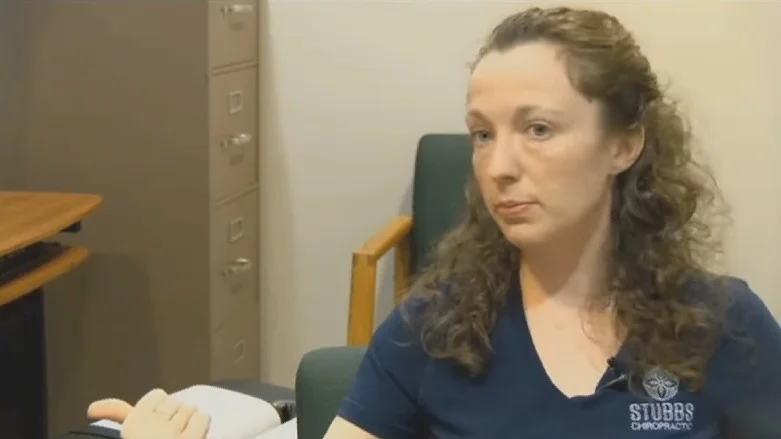
I often get asked about myself – and over the last several months I’ve been sharing bits and pieces of my lived experience on Facebook and Instagram, but for the first time, I want to share on my website so that patients – new and old – can learn more about me.

I didn't always know I wanted to be a chiropractor. I wasn't born into a family with a long line of chiropractic doctors. I didn't have my first adjustment until after I started chiropractic school.  I'd be lying if I said that I chose chiropractic as my profession. Instead, Chiropractic chose me. It chose me because of my superpower: my disability.

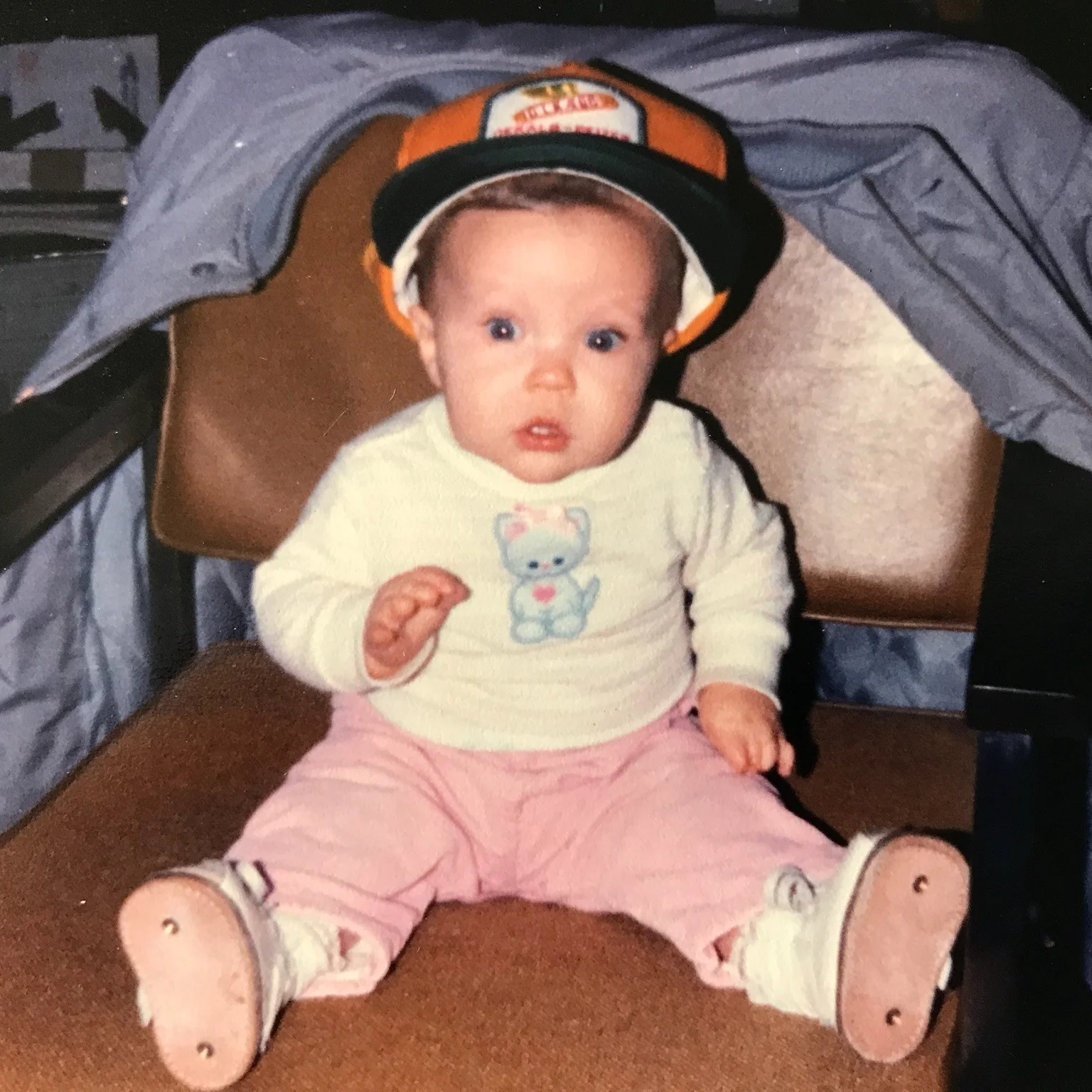
Before I was born, the amnion of the sac I was developing in partially tore. This created bands of scar tissue inside the sac. Those bands wrapped around my hands and strangled them, so my hands look and function differently. The bands also restricted my spacial room in utero. That lack of space forced my right foot to curl under my body, creating a club foot and a twisting effect on my spine.

The medical term for my condition is called Amniotic Band Syndrome. It's a spontaneous phenomenon that occurs in 1 out of every 2,000 pregnancies, but only 1 in 10,000 live births. If the average person's odds of being born are 1 in 400 trillion, and I stack a 1 in 2,000 and a 1 in 10,000 chance on top of that? Let's just say I beat the odds at life. I already won, just by being born.

Over the next few weeks, I’ll be sharing more about my story – what it was like growing up with limb difference, what school was like, what my experience with the medical establishment was like, and my journey to where I am today. I hope you join me as I share about my superpower.

drstubbsinfant
Read More
Megan Salley Megan Salley

My hands are my tools

I use my disability every single day so others can reach their health goals.

Chiropractic is a Greek word. Translated, it means: Done by hand. I'm a chiropractor, and these are my tools. My hands allow me to connect with people and help others. My hands have been a focal point of attention all my life.

Before I was born, the amnion of the amniotic sac I was hanging out in, partially tore. This created bands of scar tissue inside the sac. Those bands wrapped around my hands and strangled them, so my hands look the way they do. Lucky for me, the bands didn't wrap around my neck. My tools, sensory, and mechanics are all different, but still capable. I use my disability every single day, so others can reach their health goals. Don't be afraid to turn a perceived weakness into a strength.

Oh, and I didn't change my last name to fit the profile. It literally all came in the same package ;).

Amniotic band syndrome, syndactyly
Read More