A natural helper
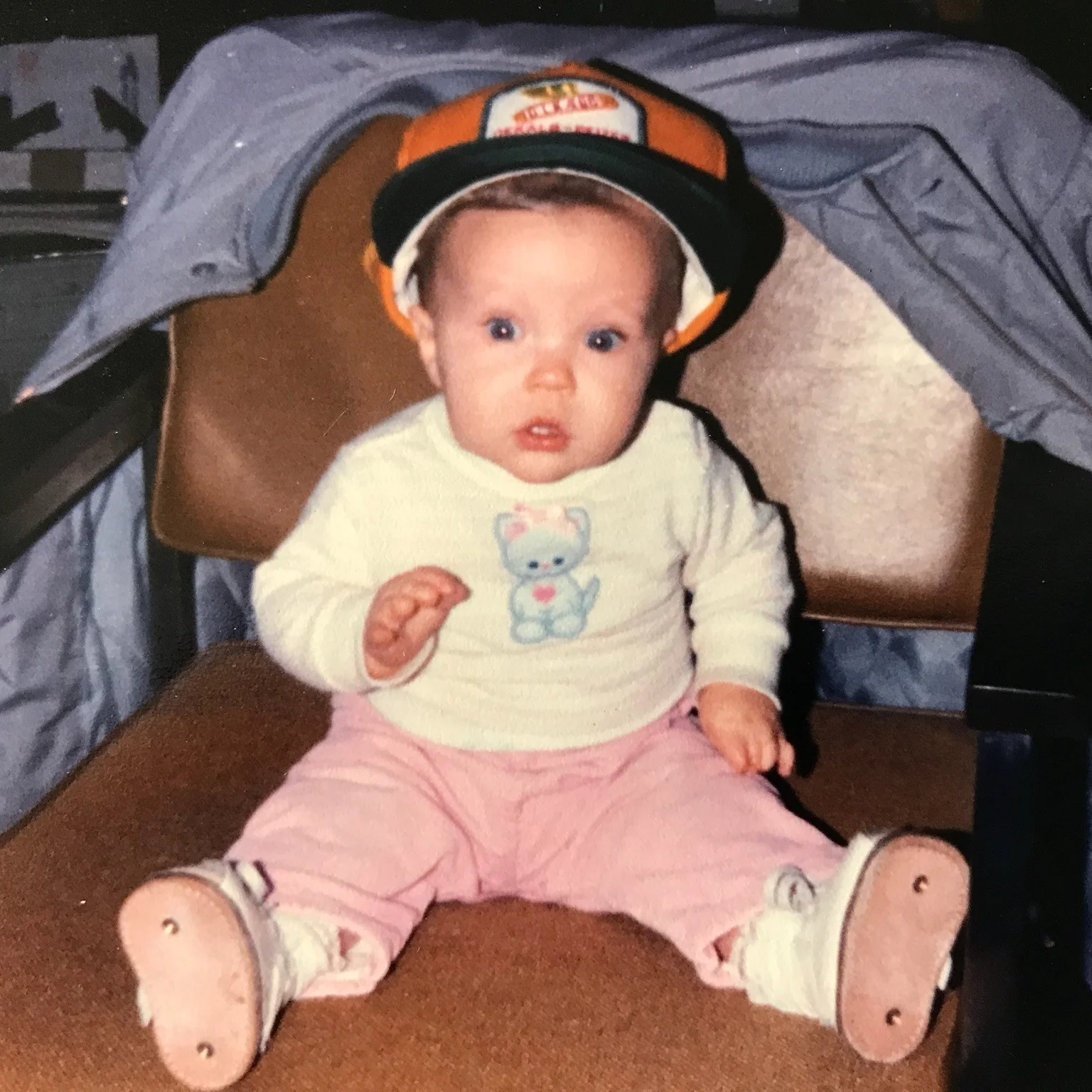
It’s natural for a kid who was around doctors and healthcare to look to that as an option for the future – and I was no exception.
It’s natural for a kid who was around doctors and healthcare to look to that as an option for the future – and I was no exception. As I got older, I started to think about healthcare as a career choice. It interested me, and I had already spent years observing as a patient.
When I was 7, my dad severed his left thumb in a farming accident. I was in charge of teaching my dad how to button his shirts as part of his rehabilitation. That’s when I realized how much I loved helping others.
With the encouragement of my high school chemistry teacher, I decided to pursue pharmacy. Luckily, I would be able to spend my career going unnoticed behind a computer screen and a countertop. That was a huge relief for me at the time. I knew I wouldn't have to deal with any confrontation about my appearance as a pharmacist.
See, I was afraid. I was afraid of truly challenging myself because I was scared that people would say that I couldn't do the job well, or that I'd be bullied all over again.
I worked at a pharmacy throughout college, and I realized some things that conflicted with my career objectives.
One thing I noticed repeatedly, is that pharmaceuticals masked symptoms and/or created side effects. I answered daily phone calls at work about side effects. Pharmaceuticals did not solve the cause of the patient's problem because health does not come in a pill. I never saw healthy people coming to the pharmacy, so I knew that, ultimately, we weren't providing health with prescriptions.
So, if I was going to fulfill this desire to help others, it’d have to be from a different profession.
(I bet you can guess what it was, right?)
Looking for answers
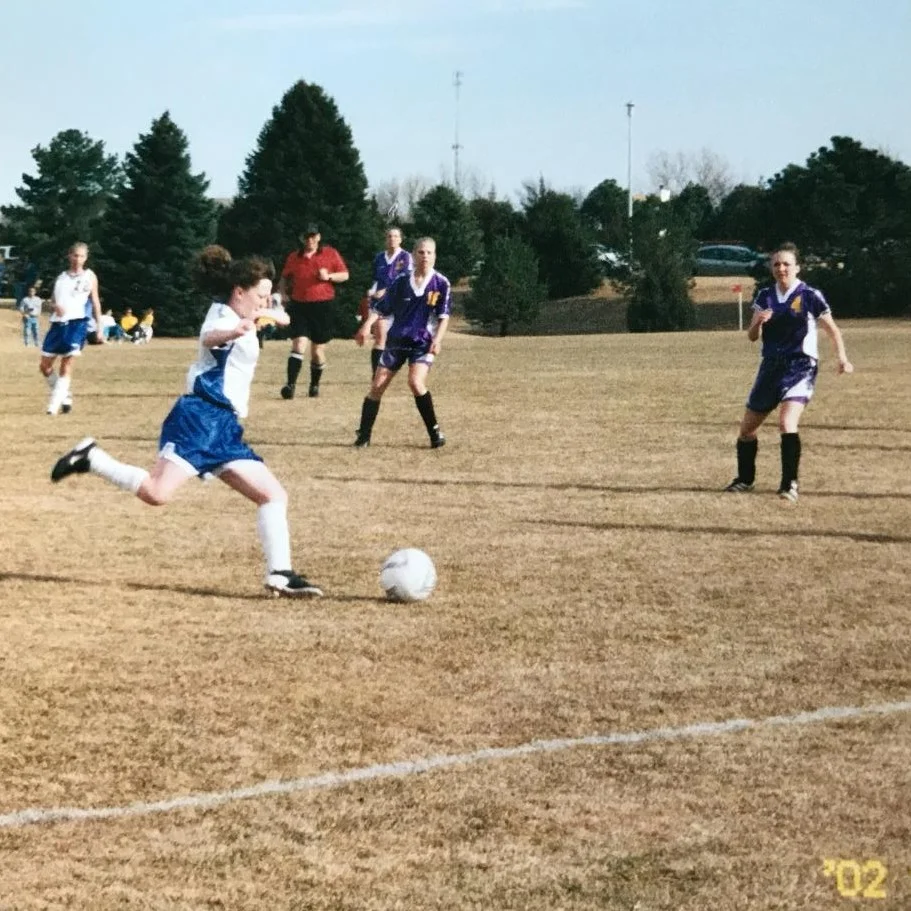
At 16, I had an X-ray taken of my foot because I continued to have pain during exercise. At that point, I had already torn the ACL in my right knee playing soccer. My pediatric orthopedic specialist told me that if I didn't slow down from playing sports, I'd be in a wheelchair by age forty.
Last week, I talked about being released to lead a “normal” life at age 12. Although my hands and foot had been corrected from a medical standpoint, I was still having complaints. Here are just a few examples of what I had to deal with (it goes without saying, this was before I discovered chiropractic care!):
I had a sharp pain in my right foot every time I ran, and the range of motion in my foot was severely compromised.
The muscles in my lower leg were suffering from atrophy even though I was playing 3 sports.
My shoulder blades were uneven, and I felt tingling down my left arm daily. I also couldn't turn my head as far on the left compared to the right.
I was getting no answers from medical doctors for these problems. I was told that I'd "probably grow out of it." One of my orthopedic surgeons recommended that I take Ibuprofen for my daily foot pain at 14 YEARS OLD. That seemed like a bad idea for my internal organs over a lifetime, so I decided to quit taking them after a couple weeks.
At 16, I had an X-ray taken of my foot because I continued to have pain during exercise. At that point, I had already torn the ACL in my right knee playing soccer. My pediatric orthopedic specialist told me that if I didn't slow down from playing sports, I'd be in a wheelchair by age forty.
When I decided to stop playing soccer, the assistant soccer coach said I stopped pushing myself. I don't blame him for saying that. During the season, I kept the severity of my problem under wraps so that I could keep playing. I didn't want anyone thinking I needed special treatment because I'm limb-different.
While I’ll talk more later what happened when I discovered chiropractic, my experiences after being “cleared” were what led me seek a different type of healing and what – ultimately – led me to become a chiropractor.
Anything but normal
After enduring over a dozen surgeries, I was cleared to live a "normal" life at age 12. Physically, I found a way to function independently, but my adolescence was anything but normal.
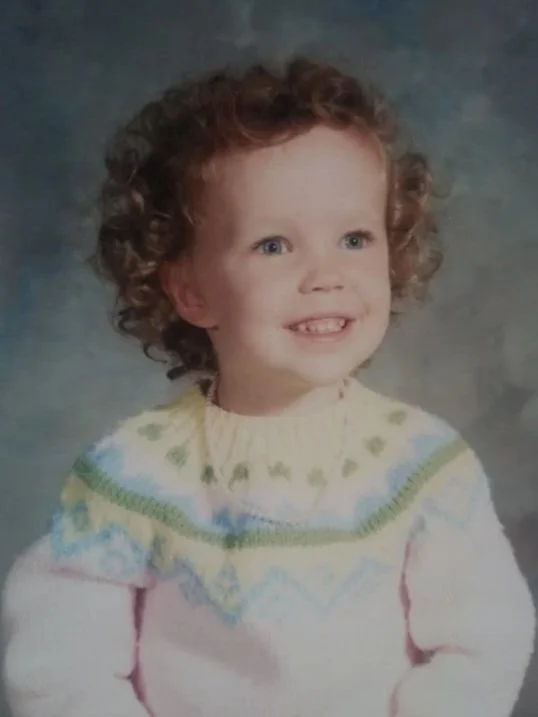
Middle school isn’t easy for anyone, but for limb different kids, the challenges can be more pronounced. While it isn’t fun, I want to pull back the curtain a bit and talk about some of what I faced in middle school – from students, teachers AND administrators – to help shed some light on how sustained bullying can impact confidence.
After enduring over a dozen surgeries, I was cleared to live a "normal" life at age 12. Physically, I found a way to function independently, but my adolescence was anything but normal.
I was singled out and bullied throughout middle school for my appearance, my name, my gait, etc. One girl would spit water down my back before every P.E. class. She'd stand next to the water fountain by the girls' locker room, and when I'd walk by, she'd take a big gulp, spray it down my back, and laugh. Plenty of my classmates saw what was happening but did nothing for fear of being next.
In my computer keyboarding class, we had to put a cloth over our hands during tests to prove we were typing properly. My keyboarding teacher, on his own accord, decided to make an exception for me, so I wasn't required to use the cloth. I can't even begin to describe how relieved I was. Two girls sitting next to me thought I was somehow getting special treatment for being a "kiss ass". They proceeded to roll their eyes and make comments about my slow typing. At one point, the teacher pulled them aside to reprimand their behavior. A school counselor approached me multiple times to try to help, but it only intensified the torment.
This went on for almost 2 years. I never confessed to anyone how those experiences decimated my confidence, or that it felt like daily torture. I thought that the relentless teasing was my weight to carry. It was just something I'd have to endure, like my casts, braces, and surgeries. I wasn't going to magically look different, so there was no other solution than to press on. Telling my parents would just make them feel guilty about something that was out of their control.
My bullies didn't stop me from reaching my goals, they just made me more insecure about myself while working toward them.
For the parents, teachers, and administrators:
There’s one thing you should know about limb-different people: we’re zebras among horses. You see, zebras function similarly to horses. They have a comparable diet, their gallups sound alike, and they share a lot of the same activities and behaviors. But, zebras look much different than horses. They have these beautiful stripes, and those stripes have been earned. Most of the time, limb-different people can fit into everyday society and blend in. Sometimes, our stripes require accommodations, and we’ll be clear with you about those. Please do not assume that we’re unable just because our anatomy isn’t typical. We want the same treatment as the able-bodied. However, the stripes that make us unique may require time and patience on your part. You will likely encounter many horses in your lifetime, but have you ever ridden a zebra?
Finding the right fit
Being limb-different can be frustrating at times because we live in a world that's designed for able-bodied people.
For the first two chapters in my story, I focused on the physical – what growing up was like in terms of development, and my experience with doctors. Today, I want to talk about my favorite childhood superheroes.
I became a fan of the Teenage Mutant Ninja Turtles as a kid. I gravitated toward them because the turtles had 3 fingers on each hand, so I automatically thought I was full of "Turtle Power" too. Raphael was my favorite ninja turtle because we had some characteristics in common.
Raphael always had something to prove, and he was on a mission. Society has a tendency to make limb-different people feel inadequate, so we become perfectionists and over-achievers just to prove to society that we're merely capable. That's the Raphael in me. Raph is considered the "angry one" of the ninja turtles, and I can identify with that as well. Being limb-different can be frustrating at times because we live in a world that's designed for able-bodied people.
As an example: finding a pair of gloves that will fit and allow a firm grip. This one, seemingly small, dilemma includes winter gloves, latex gloves, softball gloves, batting gloves, gardening gloves, those yellow, rubber dish gloves, etc. To the able-bodied: think of all the times you've worn a pair of gloves in your life. Now, think of all the times you took for granted that your gloves fit you.
Now, think of all the times that you wore a pair of shoes that fit BOTH of your feet. My feet are 2 sizes apart, so shoe shopping is interesting. Shoes and gloves are 2 things that remind me that I'm different every single day. Sometimes, those reminders can bring out the Raphael in me.
These days, many limb-different kids identify with Nemo, the cartoon fish with a small fin that just keeps swimming. In fact, many people will refer to their own limb difference as their "lucky fin" or their "nub".
Nemo didn't exist when I was a kid, but lucky for me, my last name is Stubbs, so I didn't get much choice in what people called me – but I did have the Turtles and Raph gave me someone to relate to – and look up to when things got rough. (And with that, on to middle school – the gift that keeps on giving!)
Surgeries & Shoes
I vividly remember my first pair of shoes that came from a store and weren't prescribed by a physician.
Last time, I talked about how I beat the odds by being born. Today, I want to share a little bit about my experience growing up – and today, I want to talk a little bit about my (many) experiences with doctors.
Every one of my extremity problems was addressed immediately by medical doctors. I had multiple castings, braces, and surgeries on my hands and foot. I had a skin graft taken from my left hip, so the doctors could separate my webbed hand into individual fingers. (When I say I had the best hand surgeon in the world, I did. This guy was President Clinton's on-call hand surgeon in the 90's.)
I wore white, leather orthotic shoes on my feet 24/7. At night, the shoes screwed into a metal bar to correct my right foot from twisting inward. I regularly shredded my bed sheets from the pain of being attached to that bar. When my parents would read bedtime stories, my brother would be jumping on and off the bed playing; I sat there, dangling my Forrest Gump braces off the edge of the bed. I was 2 1/2 when I learned how to walk.
I had 2 major foot operations that required hospital stays at ages 5 and 7. I spent so much time in leg casts, I remember thinking that I had upgraded to first-class casts when I finally got to pick my cast color. Goodbye business-class white plaster, hello first-class bright pink leg coming through!
Later, I upgraded again. This time, I went from a cast that kept my leg completely immobile at a 90-degree angle, to a walking cast. I could get around without using a walker all the time! I got a sandal that would fit over my cast to help me walk. I was so excited that I had some independence, I thought I'd won the clubfoot lottery. I vividly remember my first pair of shoes that came from a store and weren't prescribed by a physician. They were pink and white LA Gear sneakers, and it was the first time I remember feeling like a kid instead of a patient.
During this same time, I was also at school and in the world of “kids” – so next week, I want to talk about what that was like, and my growing interest in superheroes.
My Superpower
I'd be lying if I said that I chose chiropractic as my profession. Instead, Chiropractic chose me. It chose me because of my superpower: my disability.
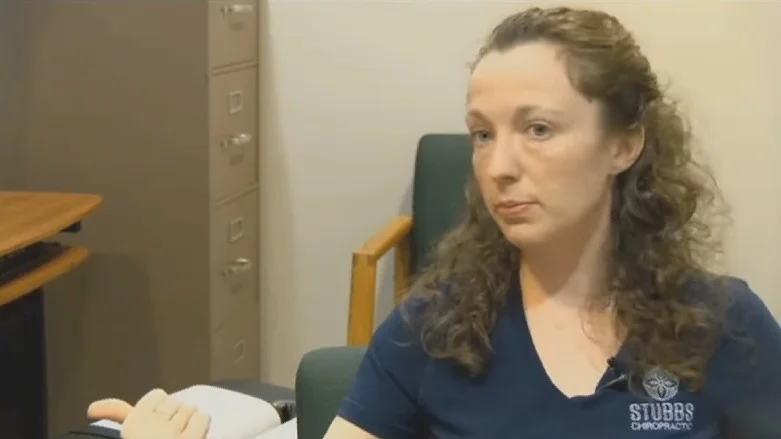
I often get asked about myself – and over the last several months I’ve been sharing bits and pieces of my lived experience on Facebook and Instagram, but for the first time, I want to share on my website so that patients – new and old – can learn more about me.
I didn't always know I wanted to be a chiropractor. I wasn't born into a family with a long line of chiropractic doctors. I didn't have my first adjustment until after I started chiropractic school. I'd be lying if I said that I chose chiropractic as my profession. Instead, Chiropractic chose me. It chose me because of my superpower: my disability.
Before I was born, the amnion of the sac I was developing in partially tore. This created bands of scar tissue inside the sac. Those bands wrapped around my hands and strangled them, so my hands look and function differently. The bands also restricted my spacial room in utero. That lack of space forced my right foot to curl under my body, creating a club foot and a twisting effect on my spine.
The medical term for my condition is called Amniotic Band Syndrome. It's a spontaneous phenomenon that occurs in 1 out of every 2,000 pregnancies, but only 1 in 10,000 live births. If the average person's odds of being born are 1 in 400 trillion, and I stack a 1 in 2,000 and a 1 in 10,000 chance on top of that? Let's just say I beat the odds at life. I already won, just by being born.
Over the next few weeks, I’ll be sharing more about my story – what it was like growing up with limb difference, what school was like, what my experience with the medical establishment was like, and my journey to where I am today. I hope you join me as I share about my superpower.
Fix your gut flora
Have you taken antibiotics in the past year? It's time to add probiotics to your health regimen in 2018!
In addition to harmful bacteria, antibiotics also kill normal flora in your gut. You need normal flora for healthy gut function. It takes one year for normal flora in your gut to recover after only one round of antibiotics. After using an antibiotic, it's even more important to add a high-quality probiotic to your diet and be patient when monitoring your results.
Watch your step this winter
You slipped and fell on a patch of ice. Now what?
Do NOT try to stand up on the ice! You don't want injuries from multiple falls. If you're not seriously injured, crawl to an area that is free of ice to stand up. Call for help if you have difficulty walking.
If you're unable to get up, that's okay. Call for help by using a cell phone, or try to get the attention of someone nearby. Lying on ice for 20 minutes will help reduce swelling from your fall. Snow balls are preferred for swelling if available.
If you are seriously injured, remain as still as possible unless it is extremely dangerous to do so. Only try to move yourself if there is risk of: drowning, hypothermia, or further injury.
Once you've assessed yourself for any emergency injuries such as a broken bone, call your chiropractor for a spinal check-up. Not only can they perform X-rays to check for injury, but your spine will need a realignment after any sort of fall.
Channel 8 interview with Dr. Stubbs
Dr. Stubbs discusses what inspires her to help others through chiropractic.
My hands are my tools
I use my disability every single day so others can reach their health goals.
Chiropractic is a Greek word. Translated, it means: Done by hand. I'm a chiropractor, and these are my tools. My hands allow me to connect with people and help others. My hands have been a focal point of attention all my life.
Before I was born, the amnion of the amniotic sac I was hanging out in, partially tore. This created bands of scar tissue inside the sac. Those bands wrapped around my hands and strangled them, so my hands look the way they do. Lucky for me, the bands didn't wrap around my neck. My tools, sensory, and mechanics are all different, but still capable. I use my disability every single day, so others can reach their health goals. Don't be afraid to turn a perceived weakness into a strength.
Oh, and I didn't change my last name to fit the profile. It literally all came in the same package ;).
Five reasons to be thankful for your spine
Your spinal segments move in up to 14 different directions!
This time of year is one of reflection and gratitude, and what better to be thankful for than a strong and healthy spine! Here are the top 5 reasons why you should appreciate your spine and treat it well with chiropractic care.
1. Your spine gives your body structure
It'd be difficult to sit in a chair if your body had no bones. Muscles attach to bone, so without bones, your body would be mush.
2. Your spine has a very important job: protecting your spinal cord
Your spinal cord carries the messages of function to and from your brain. Your nervous system controls EVERY function your body performs: your lungs breathing, your heart beating, your kidneys filtering, etc. Your spine protects the life force within you.
3. The segments of your spine make you flexible
Your spinal segments move in up to 14 different directions, and this makes your body able to twist, turn, and bend in different directions. Without these moving parts, your body would be as stiff as a board and immobile.
4. Your bones are hollow and made of layers for protection
Our bones are hollow to make us more agile and lightweight. If our bones were completely solid, our muscles would be unable to move us because we'd be too heavy. The outermost layer of bone is called the periosteum. The periosteum protects us from injury, and is the toughest part of the bone.
5. Your bones give indicators about your health
Are your bones strong, or are you prone to osteoporosis? Bone imaging can help diagnose other serious clinical problems like cancer or infection. Taking x-rays is one excellent and cost-effective way to evaluate your bone health.
Five ways to avoid cold and flu season
Sugar actually lowers your body's ability to defend itself and increases inflammation.
1. Drink more water
The average person should consume half their body weight in ounces, daily. Do you?
Example: If you weigh 150 lbs., you should drink 75 ounces of water every day.
2. Avoid sugary foods and drinks
The holiday season is prime time to overindulge on sweets. Sugar actually lowers your body's ability to defend itself, and increases inflammation. This combination is a huge blow to your immune system's power to fight.
3. Add a vitamin D3 supplement
Winter months mean fewer hours of sunlight during the day. Catching some rays allows your body to produce vitamin D. We all know vitamin C helps your immune system, but getting adequate vitamin D is just as important. Adding a quality vitamin D3 supplement to your daily routine will keep your immune system functioning properly during months when sunlight is harder to find.
4. Get your rest & exercise
Eight hours of quality sleep every night will help your body stay healthy. It's important to try to make up hours of sleep you have lost.
Exercise will increase your heart rate and the flow of oxygen to your body, stimulating repair.
5. Get adjusted
Chiropractic care helps your nervous system function properly. This will allow your immune system to function better as well. Chiropractic care can prevent illness; it can also help you get well faster if you are sick.
Tips to avoid yard work injuries
If using ice didn't take care of your soreness, there's something more serious happening to your body.
1. Use proper biomechanics
Always lift with your legs, not your back muscles. Also, never lift an object and twist your body at the same time. This is the most common way to injure your low back. Perform one motion at a time to avoid injury.
2. Use ice
After activity, use ice for muscle soreness instead of heat. Heat brings more inflammation to the affected area, so using it for aches is counterproductive. Twenty minute intervals of ice will reduce inflammation and decrease pain.
3. Get adjusted
If you know a certain activity will aggravate your pain, get adjusted ahead of time. If your body moves properly, you'll be less likely to suffer an injury, and you'll have minimal soreness afterward.
Lastly, if using ice didn't take care of your soreness, there's something more serious happening to your body. "Waiting it out" is never a good idea in this case. If you're in pain, call 402-476-0638 for a free consultation.
Why popping your own neck won't solve your neck problem
Most people resort to more frequent cracking for relief, but that actually does more harm than good.
Chiropractors hear this all the time, "I crack my own neck, so I don't need a chiropractor."
Before I unpack this statement, let's talk about the difference between "cracking" and getting adjusted. In a word, the difference is specificity. Chiropractors spend roughly 8 years learning about the human body and the chiropractic craft. It is impossible to get the same results chiropractors get without a chiropractic education.
"I feel better after I crack my neck, so it must have worked."
Cracking your neck releases endorphins, so you will experience a feeling of relief. However, that feeling will be temporary because you haven't addressed the CAUSE of your problem. Most people resort to more frequent cracking for relief, but that actually does more harm than good. If you self-adjust too much, your joints will become unstable, and it will be difficult to keep a proper adjustment in place.
FYI: Chiropractors NEVER adjust themselves, and you shouldn't, either. Instead, chiropractors get adjusted by other chiropractors.
Prevention
If we're going to live longer lives, it's extremely important that we maintain our quality of life as we age.
People are living longer than ever. Today, the life expectancy of the average person is almost 80 years old. In a few decades, we're going to see more people living to 100 years old and beyond. If we're going to live longer lives, it's extremely important that we maintain our quality of life as we age. We want to be able to spend time with loved ones, experience concerts, attend sporting events, take vacations, etc.
Yes, but how exactly do I age gracefully? In a word, prevention.
Over the past few decades, dentists have done an effective job of teaching their patients about how to avoid tooth decay. Now, most people see a dentist for regular cleanings because they know it prevents cavities. As a result, we extended the quality of life for our teeth. Overall, we also save on the cost of more expensive dental procedures.
The same philosophy can be applied to the health of your spine. If you invest in preventing spinal decay, you will likely avoid pain and more expensive spinal procedures down the road. Prevention will also keep your spine mobile, so as you age, your body will remain flexible, and you'll use better posture. Nobody wants to spend their senior years hunched over and in discomfort.
Three natural ways to avoid allergy symptoms
Now that it's autumn, many allergy sufferers are looking for relief from ragweed and mold.
Now that it's autumn, many allergy sufferers are looking for relief. Ragweed pollen is the most common culprit this time of year, but mold from damp leaves and dying plants also contribute to many uncomfortable symptoms.
Fortunately, there are non-medicated ways to support your immune system and avoid severe allergy symptoms:
1. Use proper posture
Improper posture causes extra tension on the nervous system. This makes your nervous system overactive, so your body has a greater tendency to overreact to allergens that are found in the environment.
2. Eat local, raw honey
Eating local, raw honey will give you a micro-dose to allergens. Over time, your body will become accustomed to the allergens and will be less likely overreact and produce too many histamines. Histamines cause the inflammation which makes your eyes and throat swell.
Other foods that combat allergy symptoms include: apples, turmeric, strawberries, coconut milk yogurt, pumpkin seeds.
3. Get chiropractic care
Chiropractic care also relieves pressure from the nervous system by correcting spinal misalignments. This way, your body won't overreact to the allergens you encounter in your day to day life, and you can breathe easier.
Chiropractic: What's your risk?
There are risks and benefits to all treatments; however, the chance of experiencing a serious adverse event following neck manipulation is extremely low.
The most common question asked of chiropractors is, undoubtedly, "But what about the risk of injury?" I often refer to this article from when answering patients' questions and alleviating any concerns they may have.
As with any medical treatment plan, it is important to have an open and honest dialogue with your chiropractor so that they may assess any possible risk factors. A chiropractor will ALWAYS refer you to a medical doctor or other specialists if your condition can not be addressed with chiropractic.
However; many patients find the non-invasive approach of chiropractic to be a great alternative or complementary treatment to traditional pain management techniques such as pain medications and surgery. Consider the risk when weighing your options (taken from the American Chiropractic Association).
- Overall risk of death from spine surgery: 1,800 per 1 million
- Risk of serious side effects/death from cervical spine (neck) surgery: 500 per 1 million
- Risk of death from combined use of NSAIDS/aspirin: 153 per 1 million
- Risk of death from prescription opioid pain medications: 53.6 per 1 million
- Risk of death from aspirin: 25 per 1 million
